
Chemical disposal for schools and colleges
Most science departments reach the same point sooner or later. The shelves hold stock nobody has used for years, some of it inherited from a previous technician, and someone has to decide whether it stays for another year or goes. For a head of science or a science technician, that decision turns on what the chemicals are and what state they are in. Hazardous waste from a school has to leave with a registered waste carrier and a consignment note, so it cannot simply be tidied away over the summer. We arrange the collection through registered hazardous waste carriers and deal with the price, the paperwork and the invoice. We do not transport or treat waste ourselves.
Request a quote
Tell us what you have. A rough list is fine. We reply within 2 working days.
What we handle from school and college science departments
A typical school list is long and small. It may run to a few hundred containers and very little total weight, which is why this work is priced and packed differently from a drum of solvent at a factory. The stock we expect to see includes:
- surplus and out of date solid salts, including lead, barium and copper compounds
- made-up bench solutions in reused Winchesters and dropper bottles
- indicators, stains and biology reagents, many without a usable date
- old organic reagents and solvents from A-level and BTEC practicals
- concentrated acids and alkalis held as stock
- mercury thermometers and other mercury-bearing equipment
Some items are not priced from a list at all. Dried picric acid and other chemicals flagged as unstable, explosives, radioactive sources, compressed gas cylinders, asbestos and controlled drugs all go to a manual enquiry, so a person looks at them before any arrangement is made. Physics departments are the usual home of sealed sources, and old bench mats in some stores contain asbestos, so it is worth looking beyond the chemistry shelves.
How collection works
-
List
Send a stock list, a spreadsheet or a few photos. A rough list is fine, and we will ask about anything unclear.
-
Price
We work out how the items will be packed and give you one price, with the waste code for each line.
-
Book
Accept the quote against a purchase order and we agree a date that suits the site.
-
Collect
A registered carrier packs the chemicals on site and takes them away for treatment or disposal.
-
Document
You get the consignment note and disposal records. Keep them for at least three years.
What to have ready for a school collection
- your stock list, in any layout, with name, approximate quantity and container count
- a note of anything leaking, crystallised, bulging or unlabelled, with its location
- the site postcode and any restrictions on vehicles, such as a narrow gate or a height barrier
- the name of the person who will give access and sign on the day
- your purchase order process, if the school needs one before a job can be booked
Lists do not have to be neat. A photographed page from a stock book is more useful than waiting a term for a perfect spreadsheet, and what makes a list possible to price is honesty about the things you cannot identify.
What actually turns up in a school prep room
Teaching stock has a long memory. Courses change, a demonstration falls out of favour, and the bottle stays at the back of the shelf for decades. Orange and black hazard symbols, rather than the current red and white diamonds, are a fair sign that a container has been there a long time.
The items that concern us most are the ones that change with age. Picric acid is kept wet for good reason, and the water in an old bottle may have gone. The Department for Education names both picric acid and 2,4-DNPH as chemicals that need specialist disposal if they have not been stored correctly. Sodium and potassium sit under oil that can evaporate or thicken, and old potassium can form a dangerous crust. Ethers opened long ago may have formed peroxides. Leave all of these where they are, closed, and do not try to judge them by unscrewing a lid. Our page on chemical store assessments explains how such stock is usually approached.
Then there are the quieter problems. Benzene and other carcinogens that left the curriculum long ago still appear in older stores. Silver solutions made up for a test and kept because someone meant to use them again can be hazardous in their own right. Decanted bottles with a teacher's handwriting tell you what the bottle held in 1994, which may not be what it holds now.
The end-of-year stock check
Summer term is when most technicians count, so it is the natural time to build a disposal list. The DfE guidance expects schools to audit their hazardous chemicals regularly and to keep the oldest stock accessible and used first. It also makes a point many people forget: in a fire, the fire service will need an up-to-date inventory of what is held and the risks it poses. A stock check that only counts bottles misses half its value.
We suggest three passes. On the first, walk each shelf and record what is there, including the condition of the container and the closure. On the second, mark what has no place in the current schemes of work. On the third, ask the teaching staff to challenge the list, because a head of chemistry may know that a reagent is needed once every two years. What remains is your disposal list. Anything you could not identify goes on as unidentified, with its shelf location, and that honesty saves time later.
Collections are usually easier in a holiday or on an inset day, when there are no pupils in the corridors and the technician is not also preparing lessons. A preferred window goes on your request, and the carrier confirms what is possible for your area.
CLEAPSS, SSERC and the guidance schools already use
Schools in England, Wales and Northern Ireland generally rely on CLEAPSS, and Scottish schools on SSERC. The DfE strongly advises English schools and colleges to secure advice through CLEAPSS membership. We do not reproduce their guidance and nothing here replaces it: a Hazcard or the SSERC chemical information remains your reference for handling and storing a chemical, alongside your supplier's safety data sheet and the risk assessment required under COSHH.
Where the school's guidance stops, the waste rules begin. A waste code, a description on a consignment note and a carrier check are all separate duties. A school also cannot make a hazardous mixture acceptable by combining stock: GOV.UK states that hazardous waste must not be mixed, and that includes pouring a shelf of old bench solutions into one container to save space.
Prep room security before and during a collection
DfE guidance asks for a locked store with access restricted to science staff, and warns that thieves can target science laboratories and chemical stores. Stock awaiting collection deserves the same protection as stock in use. A carton of unwanted oxidisers by the back door is still a carton of oxidisers.
Some school chemicals also fall under the Poisons Act 1972. Nitric acid, sulfuric acid and hydrogen peroxide above set concentrations are on the Home Office list, and anyone holding listed chemicals for professional purposes must report a significant loss or theft within 24 hours of finding out. A stock check that reconciles against last year's figures is how a school would notice.
On the day, keep the visit away from pupils. Agree which door the carrier will use, keep the route clear of lesson changeovers, and make sure the person holding the keys is the person named as the contact.
Paperwork a school keeps afterwards
In England, the school keeps its copy of the consignment note and the consignee returns for three years at the premises. The returns arrive after the waste has been received, and a missing one is worth chasing.
The rules differ by nation. In Wales, premises producing or storing over 500kg of hazardous waste a year register with Natural Resources Wales, and a consignment note is needed either way. In Scotland the waste is called special waste, and each note carries a unique code issued by SEPA. Northern Ireland has its own consignment system, so we handle collections there as a manual enquiry for now.
Related chemicals
Search the chemical database- Picric acidCAS 88-89-1Flammable
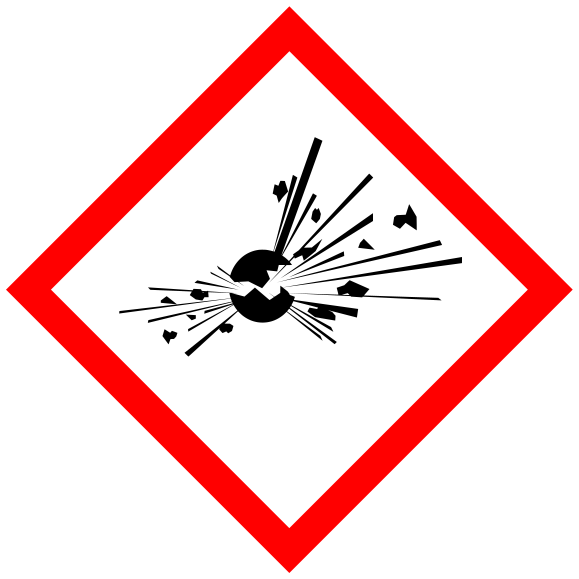



- 2,4-DinitrophenylhydrazineCAS 119-26-6Flammable
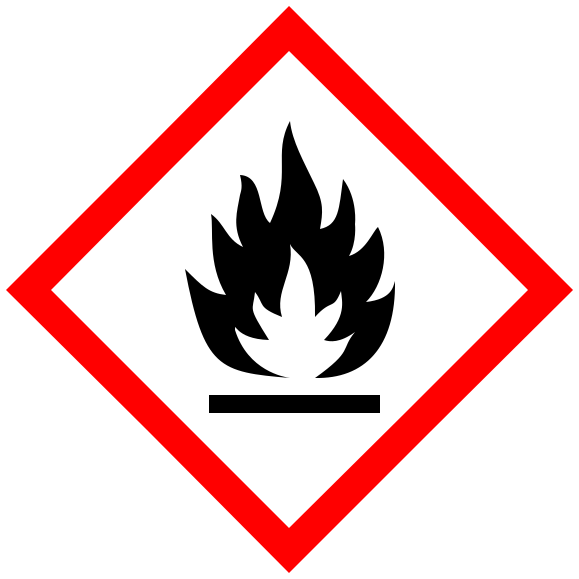

- Sodium metalCAS 7440-23-5Flammable

- Potassium metalCAS 7440-09-7Flammable
- MercuryCAS 7439-97-6Toxic
- Diethyl etherCAS 60-29-7Flammable
- Lead(II) nitrateCAS 10099-74-8Toxic
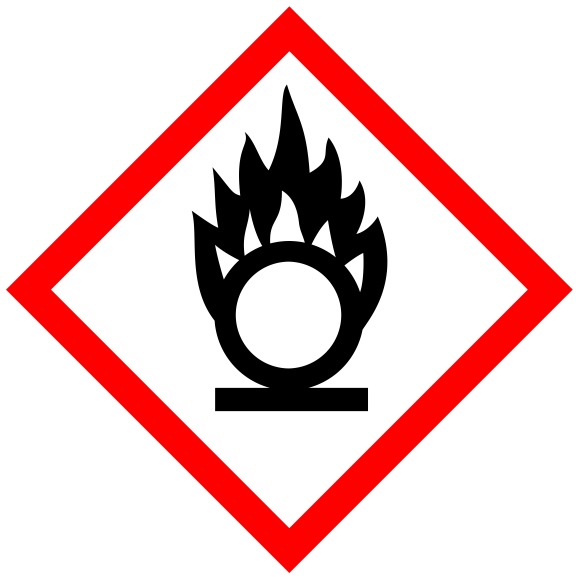
- Ammonium dichromateCAS 7789-09-5Oxidiser
Frequently asked questions
Who counts as the waste producer when an academy or maintained school clears its store?
The organisation whose activity created the waste. In practice that means the school or its employing body, and its name and address go on the consignment note. We prepare the note, but the producer stays responsible for the description being accurate, so a member of staff who knows the stock should read it before signing.
Does a technician need to be on site for the collection?
Yes, or another member of staff who knows the store. Somebody has to give access, answer questions about individual bottles and sign the consignment note as the waste is handed over. Choosing a day when that person is not also running practicals makes a real difference.
Can we add a sealed source from the physics department to a chemical collection?
No. Radioactive sources are outside a normal chemical collection and are handled as a manual enquiry. The same applies to explosives, gas cylinders, asbestos and controlled drugs. Tell us they exist and they will be dealt with separately.
Our college has chemicals outside the science block. Can those go too?
Yes, if they are listed. Art, hair and beauty, construction and engineering departments often hold solvents, peroxide developers and cleaning chemicals. Listing them by department keeps the description on the note accurate and stops one area's stock being mistaken for another's.
Do CLEAPSS or SSERC members still need a separate collection arrangement?
Yes. Membership gives a school advice on handling and storage. It does not move any waste. Hazardous waste still has to leave with a registered carrier and a consignment note, and CLEAPSS and SSERC remain the right first call for advice on using and storing a chemical.
Official sources
- Department for Education: Storing and disposing of hazardous chemicals in schools
- GOV.UK: Hazardous waste, producers and holders in England
- GOV.UK: Hazardous waste segregation and mixing
- Natural Resources Wales: Register or renew as a hazardous waste producer
- SEPA: Waste regulation
- DAERA: Hazardous waste in Northern Ireland
- Home Office: Supplying explosives precursors and poisons
- HSE: Control of Substances Hazardous to Health
Send us your list
A rough list or a photo of the shelf is enough for us to start. We reply within 2 working days.
Latest articles
All guides and articles-
What to do with unlabelled bottles in a lab
Do not open or move them. How to make an unlabelled bottle safe to leave, what to record and how identification works.
-
What counts as hazardous waste in a school or lab
Which lab and school waste is hazardous, how to tell, and what the law expects you to do before anything leaves site.
-
How to keep a chemical inventory in a science department
What to record for each container, how to set up locations and how to keep a school chemical register current.