
Waste collection for pharmacies and clinics
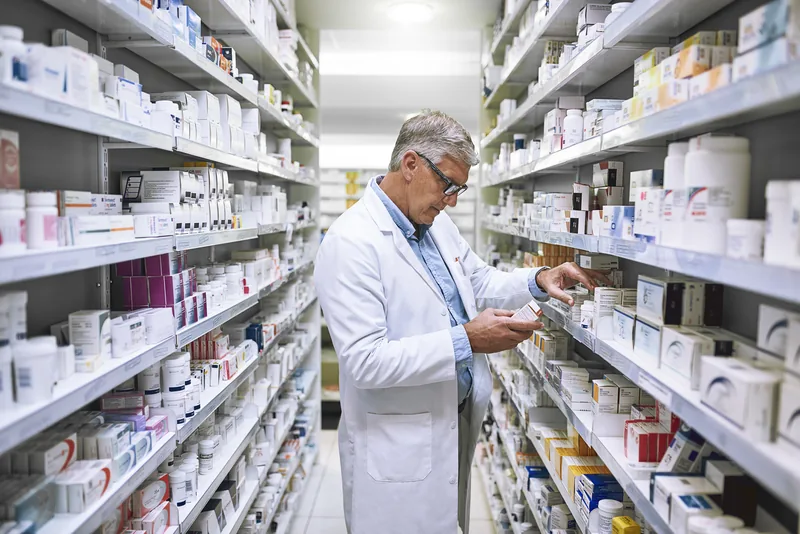
A pharmacy or clinic does not produce much waste by weight, but it holds several different kinds, each with its own rules. The decision for a superintendent pharmacist or practice manager is which items are already covered by an NHS or clinical waste arrangement and which fall outside it. The gap often includes old compounding chemicals, disinfectants and out of date private stock. Controlled drugs have their own legal process. We arrange collection of the chemical and medicine waste that needs a separate route, using registered hazardous waste carriers, and we deal with the price, paperwork and invoice. We do not transport or treat waste ourselves. Your pharmacy or clinic stays responsible as the producer of the waste.
Request a quote
Tell us what you have. A rough list is fine. We reply within 2 working days.
What we handle from pharmacies and clinics
Pharmacy back rooms and clinic cupboards hold more than people expect. Out of date medicines are the obvious part, but the chemical items are usually the ones with no route at all. We expect to see:
- dispensary stock that has gone out of date or been withdrawn, kept apart by type
- compounding and extemporaneous dispensing chemicals, some of them very old
- disinfectants, sterilants and descalers from clinical areas
- laboratory or point-of-care reagents and test kits
- solvents and skin preparation chemicals used in private clinics
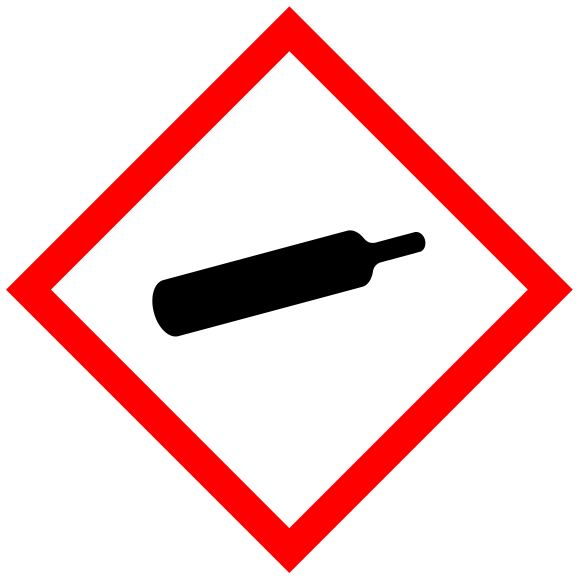
Controlled drugs are handled as a manual enquiry, and so are compressed gas cylinders and any chemical that looks unstable. That includes liquid nitrogen dewars and cylinders in dermatology or aesthetic clinics, where the normal route is usually back to the gas supplier.
How collection works
-
List
Send a stock list, a spreadsheet or a few photos. A rough list is fine, and we will ask about anything unclear.
-
Price
We work out how the items will be packed and give you one price, with the waste code for each line.
-
Book
Accept the quote against a purchase order and we agree a date that suits the site.
-
Collect
A registered carrier packs the chemicals on site and takes them away for treatment or disposal.
-
Document
You get the consignment note and disposal records. Keep them for at least three years.
What to have ready for a pharmacy or clinic collection
- the medicine or chemical name, strength and quantity, kept as separate lists
- which items are cytotoxic or cytostatic, based on your pharmacist's review
- what your existing NHS or clinical waste contract already collects
- any controlled drugs held for disposal, listed separately and not added to the main list
- opening hours, parking restrictions and the best time for a collection outside patient hours
- a contact who is authorised to sign for your premises
Nothing on a list should identify a patient. Do not include patient details on the collection list. Keep medicine and chemical identification labels intact, and handle patient information under your own information governance arrangements. If you cannot do that safely for a particular item, tell us and we will agree how it is described.
Patient returns, dispensary stock and private waste
These categories are easily confused. In England, NHS pharmacists must accept and dispose of unwanted drugs presented to them, and commissioners commonly arrange a waste contractor for those returns. Your commissioner or integrated care board can tell you what your local contract covers. GOV.UK gives specific codes for household medicines returned to a community pharmacy: 20 01 31* for cytotoxic and cytostatic medicines, and 20 01 32 for others.
Your own dispensary stock is a different question. Expired or withdrawn stock from a healthcare setting is coded 18 01 08* if cytotoxic or cytostatic, and 18 01 09 for other medicines. A private prescriptions service, a travel clinic or a hospital outpatient pharmacy may be working under different terms again. Find out what your contract says before you assume it covers everything in the bin.
The code changes the paperwork. A 18 01 08* consignment is hazardous waste and moves on a consignment note. A 18 01 09 load is non-hazardous and uses a waste transfer note, which both parties sign and keep for two years. A mixed container turns the question into a problem, so keep them apart from the start.
What counts as cytotoxic in a pharmacy
Most people think of chemotherapy, but the waste definition is wider. HTM 07-01 defines a cytotoxic or cytostatic medicine for waste purposes as any medicinal product with one or more of four hazardous properties: acute toxicity, carcinogenicity, reproductive toxicity or mutagenicity. It notes that some of these medicines are commonly prescribed, and gives chloramphenicol as an example. Mixing them with other medicines is prohibited in England and Wales, except in homes.
The practical test is the medicine's data, not the ward it came from. A purple-lidded bin should be available wherever these medicines are handled, and staff need to know that an ordinary eye drop can belong in it. Your pharmacist will know which products in your formulary need that treatment. If nobody has checked, the list is worth drawing up once and keeping beside the disposal bins.
Controlled drugs and the T28 exemption
Controlled drugs have rules of their own, and they are not something we would add to a routine list. In England, GOV.UK says pharmacies and veterinary surgeries must sort and denature waste controlled drugs before disposing of them, and that a T28 exemption is needed to do this. The exemption is free. It requires an authorised person under the Misuse of Drugs Regulations 2001 and limits you to 1 cubic metre at any one time, stored for up to 6 months. It does not allow you to treat drugs that are hazardous waste, or waste produced somewhere else.
The exemption rules are changing. GOV.UK says new waste exemption rules are expected from January 2027, subject to parliamentary approval, so check the current wording before you renew. Destruction requirements under the Misuse of Drugs rules, including witnessing, also remain your responsibility. When a pharmacy has a backlog, it comes to us as a manual enquiry, with the regulatory responsibilities kept clear.
Old pharmacy chemicals
Pharmacies that have traded on one site for decades often have a shelf or cellar nobody has looked at since extemporaneous dispensing faded out. Typical finds include strong chloroform water concentrate, collodion, ether, iodine preparations, old powders in glass jars and poison-cupboard stock from a former owner. Some of these change with age. Collodion is nitrocellulose in a volatile solvent, and it should not be allowed to dry out. Ether can form peroxides, which is a reason to leave an old, opened bottle closed and where it stands.
The same happens when a pharmacy changes hands. A buyer may take on the store along with the premises, and with it the waste. The time to raise it is during the sale, while the previous owner can still say what the bottles are. A chemical store assessment is a sensible way to establish where you stand if the original knowledge has already gone.
Clinics, surgeries and small healthcare premises
Clinics sit in between. A GP surgery, aesthetic clinic, physiotherapy practice or private hospital outpatient unit generally has a clinical waste contract for sharps and contaminated dressings. That contract is not automatically a route for chemicals, and HTM 07-01 says waste chemicals should not go into clinical waste streams. Liquid medicines also should not be discharged to the sewer.
The pre-acceptance audit catches some clinics out. A healthcare site producing under 5 tonnes a year generally needs one every 5 years, or every 2 years for dental and veterinary practices and laboratories, and permitted sites need that audit before they will take the waste. If your clinic has moved or added a service since the last audit, tell your clinical waste contractor.
The duty of care does not reduce because the volume is small. You still need to check that whoever takes your waste is authorised, and a written description has to travel with it. Keeping that evidence in a single folder makes life much easier when ownership or management changes.
Related chemicals
Search the chemical database- ChloroformCAS 67-66-3Toxic


- IodineCAS 7553-56-2Toxic


- Sodium hypochloriteCAS 7681-52-9Alkali

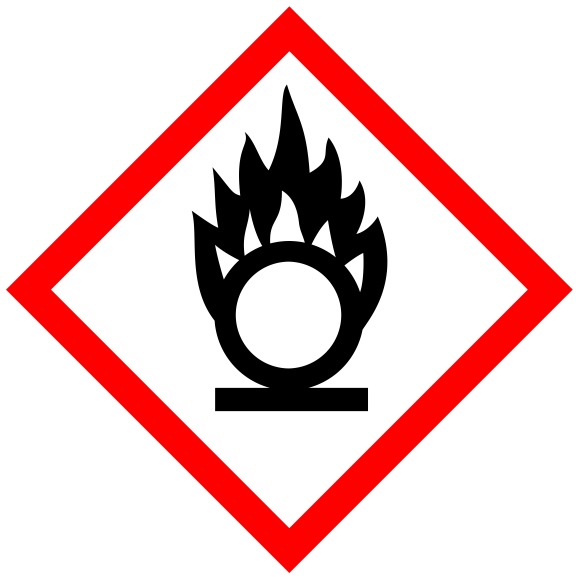
- Hydrogen peroxideCAS 7722-84-1Oxidiser
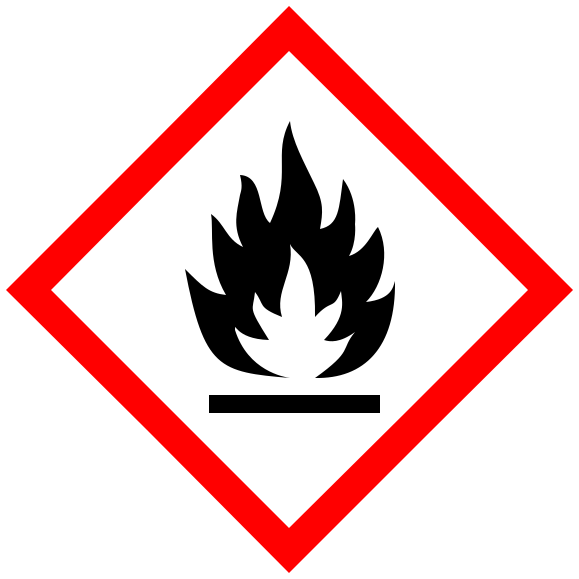
- IsopropanolCAS 67-63-0Flammable
- Liquid nitrogenCAS 7727-37-9General
Frequently asked questions
Do we need a separate collection for medicines patients bring back?
Community pharmacies providing NHS services must accept unwanted drugs from patients, and many have a commissioned collection for them. Check that arrangement first. Chemical stock, private clinic waste and other items outside it are what usually need their own route.
Can you collect denatured controlled drugs?
Tell us about them, and they will be handled as a manual enquiry. Denaturing is your own legal responsibility under the Misuse of Drugs rules and the T28 exemption where it applies. We will not advise anyone to treat a controlled drug outside those rules.
Is an expired medicine hazardous waste?
It depends on the medicine. Cytotoxic and cytostatic medicines are hazardous, coded 18 01 08* from a healthcare setting. Other medicines are coded 18 01 09 and are not hazardous, but they still need a proper route and a waste transfer note. Do not treat a pharmacy bin as an ordinary bin.
Our clinic only produces a small amount. Does any of this apply?
Yes. The duty of care applies regardless of size, and a small clinic still needs a registered carrier and written paperwork. The minimum order value may mean it makes sense to hold a short list until there is more to send.
Official sources
- GOV.UK: T28, sorting and denaturing controlled drugs for disposal
- GOV.UK: Healthcare and related wastes, how to classify
- Legislation.gov.uk: NHS Pharmaceutical Services Regulations 2013, disposal of unwanted drugs
- NHS England: HTM 07-01, safe and sustainable management of healthcare waste
- GOV.UK: Dispose of business or commercial waste
- GOV.UK: Waste duty of care code of practice
Send us your list
A rough list or a photo of the shelf is enough for us to start. We reply within 2 working days.
Latest articles
All guides and articles-
What to do with unlabelled bottles in a lab
Do not open or move them. How to make an unlabelled bottle safe to leave, what to record and how identification works.
-
What counts as hazardous waste in a school or lab
Which lab and school waste is hazardous, how to tell, and what the law expects you to do before anything leaves site.
-
How to keep a chemical inventory in a science department
What to record for each container, how to set up locations and how to keep a school chemical register current.