
Chemical waste disposal for hospitals and healthcare
A hospital usually has a well-run clinical waste contract, and it can be tempting to assume that this covers everything. It does not. The decision facing a waste officer or estates manager is which chemical streams belong in the existing arrangement and which need their own collection, with their own description and a separate consignment note. Formalin, disinfectants, photochemicals and old departmental stock regularly sit in the gap. We arrange the collection of those chemical wastes through registered hazardous waste carriers and handle the pricing, paperwork and invoice. We do not transport or treat waste ourselves. The trust or hospital remains the producer, and the duty to describe the waste accurately stays with you.
Request a quote
Tell us what you have. A rough list is fine. We reply within 2 working days.
What we handle from hospitals
Chemical waste in a hospital is scattered. It lives in small quantities in many departments, usually managed by people for whom waste is a minor part of the job. These are the places where it most often collects:
- histopathology and cellular pathology, with formalin, xylene, alcohols and stains
- theatres and clinics, with formalin specimen pots and surplus fixative
- endoscopy, with high-level disinfectants such as peracetic acid and ortho-phthalaldehyde
- radiology and dental units still running wet film, with fixer and developer
- pharmacy, with expired stock and non-medicinal chemicals
- estates and sterile services, with cleaning chemicals, descalers and maintenance products
Some waste stays out of a routine collection. Controlled drugs, radioactive waste from nuclear medicine, compressed gas cylinders, asbestos, explosives and anything unstable, such as dried picric acid in an old laboratory store, are handled as a manual enquiry.
How collection works
-
List
Send a stock list, a spreadsheet or a few photos. A rough list is fine, and we will ask about anything unclear.
-
Price
We work out how the items will be packed and give you one price, with the waste code for each line.
-
Book
Accept the quote against a purchase order and we agree a date that suits the site.
-
Collect
A registered carrier packs the chemicals on site and takes them away for treatment or disposal.
-
Document
You get the consignment note and disposal records. Keep them for at least three years.
What to have ready for a hospital collection
- the site, department and contact name for each list
- chemical name, concentration, container size and number of containers
- whether the waste is unused stock, spent working solution, or mixed
- any contamination with blood, tissue or infectious material, stated plainly
- loading bay access, security arrangements and any permit needed for a clinical area
- purchase order and cost centre details, split by department if finance needs that
Spent solutions need a little extra thought, because a working solution is no longer what the supplier's safety data sheet describes. Xylene from a tissue processor carries dissolved wax, and a used fixative may have picked up tissue residues. Say so on the list. A carrier can plan for an accurate description, and the receiving site can reject a load that turns out to be something else.
HTM 07-01 waste streams and where chemicals fit
HTM 07-01 is the reference for healthcare waste in England, with the current edition published in 2023. Its colour-coding is familiar to every ward: yellow for infectious waste needing incineration, including chemically or medicinally contaminated waste, orange for infectious waste suitable for alternative treatment, purple for cytotoxic and cytostatic waste, blue for other medicines, red for anatomical waste, yellow and black for offensive waste. Amalgam has its own white container.
Chemicals do not have a colour of their own, and that is where errors creep in. HTM 07-01 is clear that waste chemicals should not be placed in clinical, offensive or municipal streams, and that this mixing is prohibited in England and Wales. Chemical waste is segregated and packaged according to transport classification and chemical compatibility, and it should normally carry 18 01 06* or 18 01 07, with photochemicals coded under 09 01. Fixer and developer also have their own containers and should not be mixed with each other or anything else.
There is a limit to this guidance. HTM 07-01 notes that its chemicals section is not intended for assessing laboratory chemicals and reagents, so hospital laboratories need to assess their stock under the technical guidance on waste. Yellow-stream waste is confined to items that are both infectious and chemically contaminated, such as some samples and diagnostic kits. A bottle of expired reagent does not qualify, however convenient the yellow bin may be.
In Scotland and Northern Ireland, HTM 07-01 notes that different colour-coding systems apply, so check your local standard before relying on the English colours.
Departmental collections
Most hospital chemical waste is small and irregular, so a central collection only works if departments know what to do between visits. It tends to work best when a waste officer holds one list per department and asks each one to report the same things: what is waiting, how much, and in what container. Labs may need a regular visit. Theatres and outpatient clinics may only need attention a couple of times a year.
Traceability matters more as the number of departments grows. HTM 07-01 says containers should be tagged or labelled in a way that identifies the facility and the place or ward of origin. A chemical bottle with no department on it creates a question nobody can answer once it has reached the central store.
Central storage has its own requirement. HTM 07-01's guidance on storage calls for chemical waste to be kept separately by hazard, with appropriate firefighting provision, because water will not typically be used in such an area. If your compound shares a room with clinical bins, it is worth reviewing before the next audit.
Cytotoxic and cytostatic stock raises a separate concern. It is covered by HSE guidance under COSHH, and the waste needs handling as such. Our pharmaceutical waste collection page goes into how medicines streams are kept apart.
Pre-acceptance audits and the consignment note archive
Permitted healthcare waste sites in England and Wales must obtain pre-acceptance audits from producers. HTM 07-01 sets out pre-acceptance audit frequencies: before the first batch, every 12 months for sites producing 5 tonnes or more of clinical waste a year, every 2 years for dentists, veterinary practices and research laboratories, and every 5 years for other healthcare sites producing less than 5 tonnes a year. Add these to the same calendar as your chemical collections, since new chemical streams will not appear on an audit unless someone mentions them.
Your consignment note archive is the proof of all this. In England, GOV.UK requires notes, consignee returns and related documents to be kept for three years at the premises that produced or stored the waste. If a return does not arrive, ask for it in writing, because you need it to complete your records. An NHS trust with several sites should keep each hospital's register distinct, even when one team manages them all. Consignment notes in Wales use a premises code or an exempt prefix. Those in Scotland carry a code issued by SEPA. We treat Northern Ireland collections as a manual enquiry for now.
Legacy chemicals in hospital buildings
Hospitals change quickly and their cupboards do not. A department relocates, a test moves off-site or a laboratory stops a method, and the reagents remain in a store nobody now owns. Old histology stores may hold picric acid, mercury-based fixatives and stains that are no longer in routine use. Mercury thermometers and sphygmomanometers may still lie in a cupboard long after they went out of service, and they are hazardous waste too.
Mergers, refurbishments and estate rationalisation are the usual moments when these turn up. Please do not ask a porter or a maintenance contractor to clear them. If the contents are old or uncertain, a chemical store assessment gives you a specialist's view of the stock and a list you can act on.
Related chemicals
Search the chemical database- FormalinCAS 50-00-0Toxic



- GlutaraldehydeCAS 111-30-8Toxic

- ortho-PhthalaldehydeCAS 643-79-8Toxic
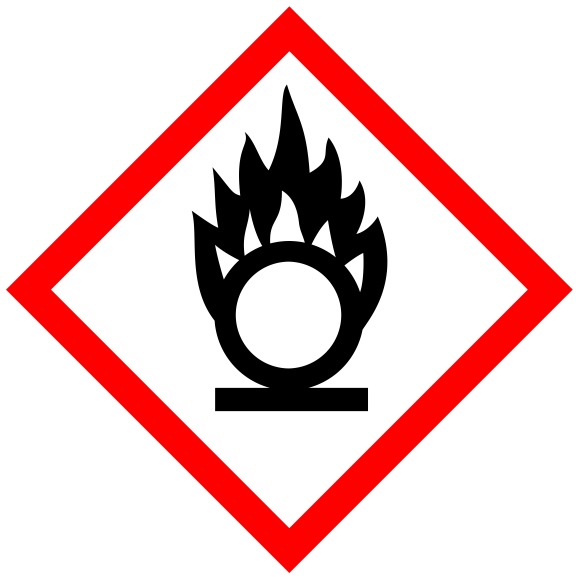
- Peracetic acidCAS 79-21-0Oxidiser
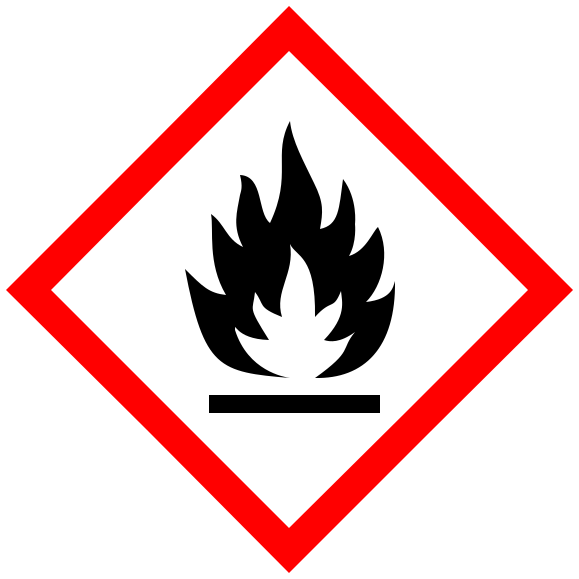
- XyleneCAS 1330-20-7Flammable

- IsopropanolCAS 67-63-0Flammable
- Sodium hypochloriteCAS 7681-52-9Alkali
- Silver nitrateCAS 7761-88-8Oxidiser
Frequently asked questions
Does this replace our clinical waste contract?
It usually sits beside it. The bagged and sharps streams generally stay with the contractor who services the wards. This work deals with the chemical waste that those streams should not contain, and with departmental stock that has never had a clear route.
Which waste code applies to chemicals from a hospital laboratory?
HTM 07-01 says waste chemicals in healthcare should normally be classified as 18 01 06* or 18 01 07, with photochemicals classified under 09 01. HTM 07-01 also notes that its chemical section is not for assessing laboratory chemicals and reagents, so laboratory stock needs its own assessment under the technical guidance on waste.
How long must consignment notes be kept?
In England, GOV.UK requires producers to keep consignment notes and consignee returns for three years at the premises that produced the waste. Many trusts keep them for longer under their own retention schedules. That is a decision for your organisation.
Who should sign for a departmental collection?
A person who can confirm what is leaving. That may be the department's lead or a member of the estates team, provided they have seen the list. Signing for waste they have not seen leaves the producer exposed if the description later proves wrong.
Can Entonox or oxygen cylinders go on the same collection?
No. Compressed gas cylinders are outside a routine chemical collection and are handled as a manual enquiry. Most hospitals already return them through their medical gas supplier, which is the first route to check.
Official sources
- NHS England: HTM 07-01, safe and sustainable management of healthcare waste
- GOV.UK: Healthcare and related wastes, how to classify
- GOV.UK: Hazardous waste, producers and holders in England
- GOV.UK: Hazardous waste consignment note guidance
- HSE: Safe handling of cytotoxic drugs in the workplace
- Natural Resources Wales: How to complete a hazardous waste consignment note
- SEPA: Waste regulation
Send us your list
A rough list or a photo of the shelf is enough for us to start. We reply within 2 working days.
Latest articles
All guides and articles-
What to do with unlabelled bottles in a lab
Do not open or move them. What to do from a safe distance, what to record and how identification works.
-
How to keep a chemical inventory in a science department
What to record for each container, how to set up locations and how to keep a school chemical register current.
-
Duty of care for laboratory waste
What waste duty of care means for a school, college or lab, what to check on your contractor and which records to keep.