
Acid and alkali disposal
Acids and alkalis are usually the first things anyone thinks of as hazardous and the last to be dealt with, since most labs use them every day. The decision here is usually about stock: the concentrated Winchester nobody needs, the bench solutions from a course that has changed, the old bottle with a corroded cap. For a technician or lab manager, it comes down to what should leave and how to keep it safe until then. We arrange collection of laboratory acids and alkalis through registered hazardous waste carriers and handle the price, paperwork and invoice. We do not transport or treat waste ourselves, and we never publish or suggest a sewer route. Your organisation remains the producer of the waste.
Request a quote
Tell us what you have. A rough list is fine. We reply within 2 working days.
What we handle in acid and alkali collections
Laboratory corrosives come in a narrow range of chemicals and a very wide range of ages and strengths. We expect to see:
- dilute bench solutions of hydrochloric, sulfuric and nitric acid
- concentrated stock acids, in glass or plastic
- organic acids such as glacial acetic, formic and trichloroacetic
- sodium and potassium hydroxide, as pellets, flakes or solutions
- ammonia solution and other alkaline liquids
- cleaning and descaling products with a corrosive classification
Some items are not priced from a list. Hydrofluoric acid goes to a manual enquiry, and so does perchloric acid where there is any doubt about its age, strength or storage history. Any container showing signs of instability is handled the same way. So are chromic acid cleaning mixtures and other strong oxidising mixtures, if the bottle has been sealed or has been stored for a long time.
How collection works
-
List
Send a stock list, a spreadsheet or a few photos. A rough list is fine, and we will ask about anything unclear.
-
Price
We work out how the items will be packed and give you one price, with the waste code for each line.
-
Book
Accept the quote against a purchase order and we agree a date that suits the site.
-
Collect
A registered carrier packs the chemicals on site and takes them away for treatment or disposal.
-
Document
You get the consignment note and disposal records. Keep them for at least three years.
What to have ready for an acid or alkali collection
- chemical name and strength, either molarity or percentage, for each line
- size, number and material of the containers
- anything mixed, with its recipe if you know it
- the state of each cap and label, and anything fuming, weeping or crystallised
- whether any item is on an upper shelf or in an awkward location
- site access and the name of the person who will sign
Corrosives are heavy for their size, so tell us about stairs or a long carry between the store and the vehicle. It affects how the chemist and carrier plan the packing.
Dilute school solutions and concentrated stock
These two categories can look similar on a list, and they differ a great deal in the handling. A school may hold 40 bottles of 1M acid and two Winchesters of concentrated stock. The dilute solutions take up more space, while the concentrated stock has the higher risk if a bottle fails. Listing their strength, as well as their name, keeps those lines from being confused.
A teacher's label may say dilute without any figure. That is useful as far as it goes, but the job is easier if you can give an approximate molarity. Concentrated hydrochloric, sulfuric and nitric acids also behave differently in storage. Hydrochloric acid fumes and corrodes metal shelving and lids around it. Sulfuric acid absorbs water from the air, and a loosely closed bottle can gain volume and weep. Nitric acid yellows with age and is a strong oxidiser, as well as a corrosive.
Diluting hazardous waste to reduce its hazard counts as prohibited mixing unless a permit specifically allows it. The mixing guidance treats a reduction in a hazardous property through dilution as something that puts wastes in different categories. Neither mixing nor dilution should happen before collection.
Oxidising acids need their own handling
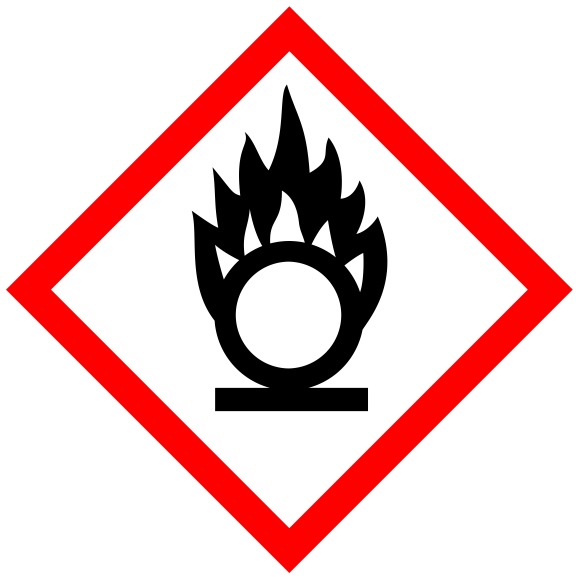
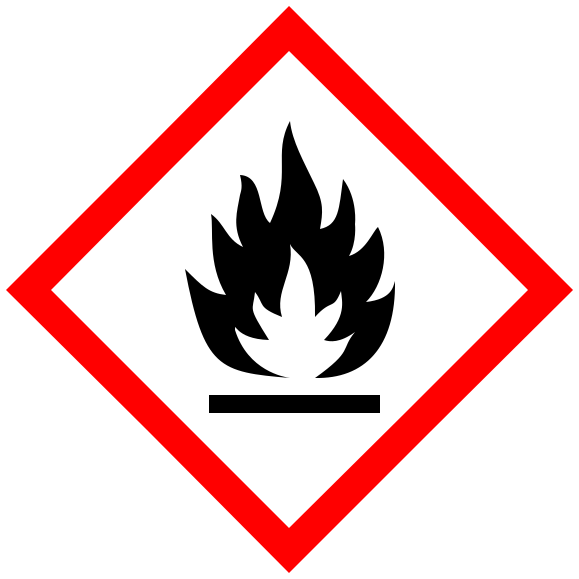
Not all acids belong together, and this is the area most often missed in a lab. Nitric acid, concentrated sulfuric acid, perchloric acid and chromic acid mixtures can react violently with organic material. That includes organic acids such as acetic and formic, as well as solvents. Glacial acetic acid is corrosive but also flammable, and it should not sit on a shelf beside concentrated nitric acid simply because both are labelled as acids.
Waste mixtures are where the serious trouble lies. Aqua regia and piranha-type mixtures keep producing gas and can burst a closed bottle. Chromic acid glassware baths have been sitting unused in some older labs for many years. Please do not try to make these safe, and do not close a vented container to stop it fuming. Flag them for manual enquiry and leave them where they are.
Perchloric acid has a particular history, because it can form explosive perchlorates on wood, dust or metal, including in a fume cupboard's ductwork. Crystals around a perchloric bottle, or on the shelf beneath it, should be treated as an instability warning.
Keeping acids and alkalis apart
An acid and an alkali are the example GOV.UK itself uses. Its segregation guidance says that they would react, so they count as different categories even when they have the same code, such as 16 05 06*. Neutralising them against one another in a bucket is a chemical treatment process, and it produces heat and sometimes fumes. It also destroys the description you were about to give the carrier. We do not ask anyone to do it, and you should not.
The List of Waste has specific codes for acids from chemical processes, in 06 01, and bases, in 06 02. These cover sulfuric, hydrochloric, hydrofluoric, phosphoric and nitric acid, and calcium, ammonium, sodium and potassium hydroxide, among others. Laboratory stock more often sits under 16 05 06*, because that entry is written for laboratory chemicals. Stock from human healthcare is normally 18 01 06*, and from veterinary work 18 02 05*. The chemist packing it will advise on the code, though classification stays your duty as the producer.
Keep them separate in storage too. Low shelves and a chemical-resistant tray are the normal arrangement. Check that alkalis are not next to aluminium items or anything that may release ammonia. COSHH assessments should cover how these substances are held and handled, including while they are waiting for collection.
Why a sink is not the answer
Old habits and old guidance both suggest that weak acids and alkalis can go down the drain with plenty of water. We do not offer that route, for any chemical. Under section 118 of the Water Industry Act 1991, discharging trade effluent into a public sewer in England and Wales needs the consent of the sewerage undertaker. Waste chemicals also need to be classified, and a sink gives you no record of what you did. A stock clearance is also a very different thing from the small quantities in a single experiment. If you have a query about what happens during normal teaching or lab work, your own risk assessment and your CLEAPSS or SSERC reference should be the starting point.
Old bottles and damaged containers
Corrosives attack their own packaging over time. Metal caps corrode, plastic turns brittle in light and with acid fumes, and old rubber bungs perish. Ammonia solution in a warm store can build pressure inside the bottle, which is why old Winchesters can spray when opened. Sodium hydroxide attacks glass slowly and carbonates around the stopper, sealing it in place. Alkali solutions can be stored in glass for a while, but a bottle that has spent 20 years with a stuck stopper is not in the same condition as the day it was filled.
If a container looks compromised, leave it alone. Do not transfer it into another bottle or wipe it down. Note its location, keep others away from it and check that it is not on a high shelf above anything else. Where a bottle is actively leaking or fuming, treat it as an incident and follow the steps on our emergency removal page.
Some of this stock also matters for security. Nitric and sulfuric acid above set concentrations are on the Home Office precursor list, so reconcile what you hold before and after a clearance.
Related chemicals
Search the chemical database




Frequently asked questions
Our school bench acid is only 1M. Does that need a collection?
It should go on your disposal list if you no longer want it. Your CLEAPSS or SSERC reference may give advice on handling and using these solutions. We do not offer or recommend any sewer route, and all acids and alkalis we deal with go by specialist collection.
The glass stopper on a stock bottle has seized. What should we do?
Leave it. Do not tap, heat or force it, because that is how old bottles break. Note its location and contents on your list. Old alkali stoppers are often stuck by carbonate, and acid bottles may have pressure behind them.
Is hydrofluoric acid part of a normal acid collection?
No. Hydrofluoric acid is handled as a manual enquiry because of how dangerous it is on skin contact, including at low concentrations. Tell us what you have and where it is, and do not move it for a closer look.
Can acid and alkali bottles travel in the same lab pack?
No. They go in separate packs, and the same is true of oxidising acids and organic acids. This is one of the reasons a small list of corrosives can take up several drums.
Official sources
Send us your list
A rough list or a photo of the shelf is enough for us to start. We reply within 2 working days.
Latest articles
All guides and articles-
What to do with unlabelled bottles in a lab
Do not open or move them. How to make an unlabelled bottle safe to leave, what to record and how identification works.
-
What counts as hazardous waste in a school or lab
Which lab and school waste is hazardous, how to tell, and what the law expects you to do before anything leaves site.
-
How to keep a chemical inventory in a science department
What to record for each container, how to set up locations and how to keep a school chemical register current.