Hydrochloric acid (CAS 7647-01-0): storage and disposal
Hydrochloric acid is held in school prep rooms, college and university labs, pathology and histology departments and dental surgeries, usually as a concentrated bottle of about 36% alongside weaker 0.1 M, 1 M and 2 M solutions. It causes severe burns and can irritate the airways, and the concentrated liquid attacks metal. Strength, container condition and what sits nearby decide how it is stored, described and collected as hazardous waste.
- CAS number
- 7647-01-0
- Form
- Solution
- Storage class
- Acid
- Signal word
- Danger
- Usual EWC code
- 16 05 06*
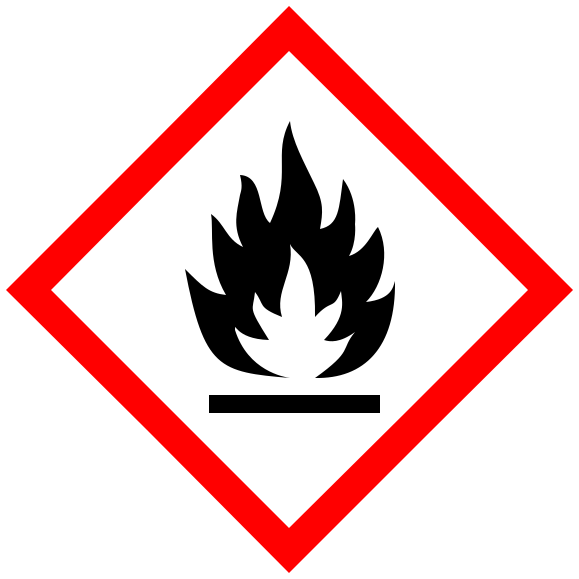
 Corrosive
 Harmful or irritant
What to do this week
- Check the label is readable and write down the opened date if it is not already there.
- Check it is stored as acid stock and apart from the items listed under "Do not store with".
- If you no longer need it, add it to your disposal list so it goes on the next collection.
Safe storage in a school or lab
Concentrated stock, about 36%, usually arrives in a glass bottle, and the weaker 0.1 M, 1 M and 2 M solutions sit near it on a prep room shelf. All of it belongs low down on an acid-resistant tray in a ventilated corrosive store, because the concentrated liquid fumes in air and corrodes metal shelving and hinges. Keep it clear of hypochlorite bleach and chloramine T, which release toxic chlorine gas, and away from sulfide stock, which gives off toxic hydrogen sulfide. Histology and pathology holders should also keep it well apart from formalin, since the two can form a potent carcinogen. Alkalis, flammable solvents and oxidisers need their own space.
How to tell it has deteriorated
Weaker solutions look like plain water, so on those shelves the label is the main thing to read. The usual warning is corrosion near the bottle: rusting hinges, flaking paint, pitted metal shelf edges or a cabinet door that has started to stick. Concentrated stock fumes when opened, and a bottle that fumes noticeably through a closed cap has a failing seal. Look for perished or brittle caps, a crust around the neck, cracked glass and labels that have faded. A bottle with no readable strength cannot be described accurately for collection, so write down what you can see. If the cap has seized or the neck is crusted, do not force it.
How it must be disposed of
By specialist collection only. It never goes down the drain or into general waste. It is normally packed in a corrosive acid laboratory pack with compatible chemicals.
Waste code 16 05 06* is the one most laboratory holders use for bottles like these. Collection is by a specialist carrier only: a sink, a drain, a general bin and a skip are not options, and the acid must not be diluted or neutralised beforehand. Write down the strength on each label, roughly how much is left and whether the bottle is the supplier's original or a refilled one, because an unlabelled bottle of clear liquid is the hardest thing for a collector to describe. List hydrochloric acid separately from sulfide salts, hypochlorites, formalin and other incompatible chemicals so that the specialist collector can determine safe packing arrangements. A hazardous waste consignment note is issued for the collection, and you keep a copy.
| EWC code, laboratory chemicals | 16 05 06* |
|---|---|
| Discarded inorganic chemical, not a laboratory pack | 16 05 07* |
| Human healthcare setting | 18 01 06* |
| Hazardous waste | Yes |
The code depends on where the waste came from and what it is mixed with. Use the waste code finder to see why.
Do not store with
- FlammableOxidising acids can ignite flammable materials, and acid fumes attack containers and seals.
- AlkaliAcids and alkalis react with strong heat and spattering if they meet.
- OxidiserMany oxidisers release toxic gas or become unstable in contact with acid.
- ToxicToxic stock is stored apart from acids. Several toxic salts release toxic gas in contact with acid.
Named chemicals to keep apart
- Ammonium sulfide solutionSulfides release toxic hydrogen sulfide gas with acids.
- Calcium carbideReacts with water, releasing heat and often a flammable or corrosive gas, so keep it away from all water based stock.
- Calcium hypochloriteHypochlorites release toxic chlorine gas in contact with acids.
- Calcium metalReacts with water, releasing heat and often a flammable or corrosive gas, so keep it away from all water based stock.
- Chloramine THypochlorites release toxic chlorine gas in contact with acids.
- FormalinFormaldehyde reacts with these materials. With hydrochloric acid it can form a potent carcinogen.
- Iron(II) sulfideSulfides release toxic hydrogen sulfide gas with acids.
- Lithium aluminium hydrideReacts with water, releasing heat and often a flammable or corrosive gas, so keep it away from all water based stock.
Show 13 more
- Lithium metalReacts with water, releasing heat and often a flammable or corrosive gas, so keep it away from all water based stock.
- Osmium tetroxideOsmium tetroxide is a strong oxidiser that reacts with these materials and can release toxic gas.
- Potassium chlorateChlorates and strong acids can form explosive chlorine dioxide.
- Potassium cyanideCyanides release highly toxic hydrogen cyanide gas with acids.
- Potassium ferricyanideHeating or strong acids can release toxic hydrogen cyanide from these complexes.
- Potassium ferrocyanideHeating or strong acids can release toxic hydrogen cyanide from these complexes.
- Potassium metalReacts with water, releasing heat and often a flammable or corrosive gas, so keep it away from all water based stock.
- Sodium azideAzides release highly toxic and explosive hydrazoic acid with acids.
- Sodium chlorateChlorates and strong acids can form explosive chlorine dioxide.
- Sodium cyanideCyanides release highly toxic hydrogen cyanide gas with acids.
- Sodium dichloroisocyanurateHypochlorites release toxic chlorine gas in contact with acids.
- Sodium hydrideReacts with water, releasing heat and often a flammable or corrosive gas, so keep it away from all water based stock.
- Sodium hypochloriteHypochlorites release toxic chlorine gas in contact with acids.
Common quantities we collect
Usually held as: 0.1 M, 1 M, 2 M, concentrated (about 36%).
Part-used bottles and full containers are both fine. Tell us the size and how many, and an estimate is enough for a first price.
Where it is commonly held
Hazard statements
- H290 May be corrosive to metals.
- H314 Causes severe skin burns and eye damage.
- H335 May cause respiratory irritation.
Precautionary statements
- P260 Do not breathe dust, fume, gas, mist, vapours or spray.
- P261 Avoid breathing dust, fume, gas, mist, vapours or spray.
- P264 Wash hands and exposed skin thoroughly after handling.
- P271 Use only outdoors or in a well-ventilated area.
- P280 Wear protective gloves, protective clothing, eye protection and face protection.
- P301+P330+P331 IF SWALLOWED: Rinse mouth. Do NOT induce vomiting.
- P302+P361+P354 IF ON SKIN: Take off immediately all contaminated clothing. Immediately rinse with water for several minutes.
- P304+P340 IF INHALED: Remove person to fresh air and keep comfortable for breathing.
- P305+P354+P338 IF IN EYES: Immediately rinse with water for several minutes. Remove contact lenses, if present and easy to do. Continue rinsing.
- P316 Get emergency medical help immediately.
- P321 Specific treatment (see supplemental first aid instruction on this label).
- P363 Wash contaminated clothing before reuse.
- P403+P233 Store in a well-ventilated place. Keep container tightly closed.
- P405 Store locked up.
- P501 Dispose of contents and container in accordance with local, regional, national and international regulations.
- P234 Keep only in original packaging.
- P264+P265 Wash hands and exposed skin thoroughly after handling. Do not touch eyes.
- P317 Get medical help.
- P319 Get medical help if you feel unwell.
- P390 Absorb spillage to prevent material damage.
- P406 Store in corrosive resistant container with a resistant inner liner.
- P410+P403 Protect from sunlight. Store in a well-ventilated place.
Substance as classified, dilutions may differ.
Questions
Is weak hydrochloric acid from a class practical still hazardous waste?
Yes, it is still chemical waste. A weaker solution may be less hazardous than the concentrated acid, but it must not go into a sink, drain or bin, and it must not be diluted or neutralised first. It goes by specialist collection.
Why is the metal shelving near our acid cupboard rusting?
Concentrated stock fumes in air and corrodes metal shelving and hinges, so corroded fittings near the bottle are the usual warning sign. Check the cap and seal on the bottle, and keep it on an acid-resistant tray low down in the store.
Can it sit on the same shelf as formalin in a histology store?
No. Formaldehyde reacts with hydrochloric acid and the combination can form a potent carcinogen. Keep it away from formalin, and from bleach, which releases toxic chlorine gas on contact with acid.
How old is too old for a bottle of hydrochloric acid?
Age alone is not the test. Look at the cap, the neck for crust, the glass for cracks, the label for fading and the shelf for corrosion. A bottle with a failing seal or no readable strength should be listed for collection rather than kept.