Phosphomolybdic acid (CAS 51429-74-4): storage and disposal
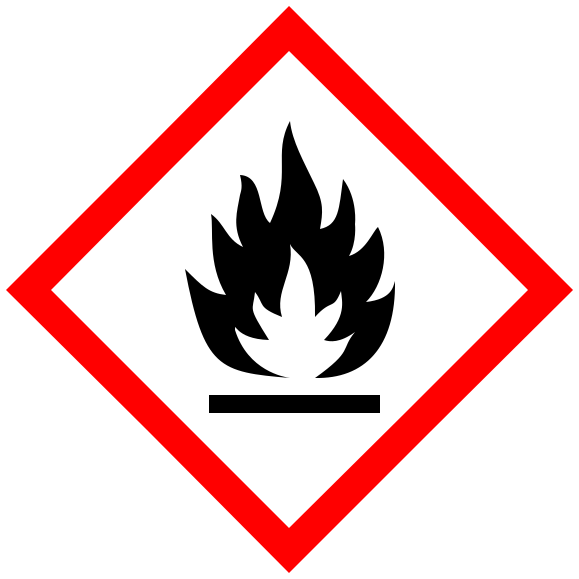
Phosphomolybdic acid is held as a yellow crystalline hydrate in university labs and histology departments, where it is used in staining and in chromatography work. It may intensify fire as an oxidiser and causes severe skin burns and eye damage. That combination means it needs a corrosive store and also a place apart from organic material, and a tint in the solid is the usual sign that something has touched it.
- CAS number
- 51429-74-4
- Form
- Solid
- Storage class
- Acid
- Signal word
- Danger
- Usual EWC code
- 16 05 06*
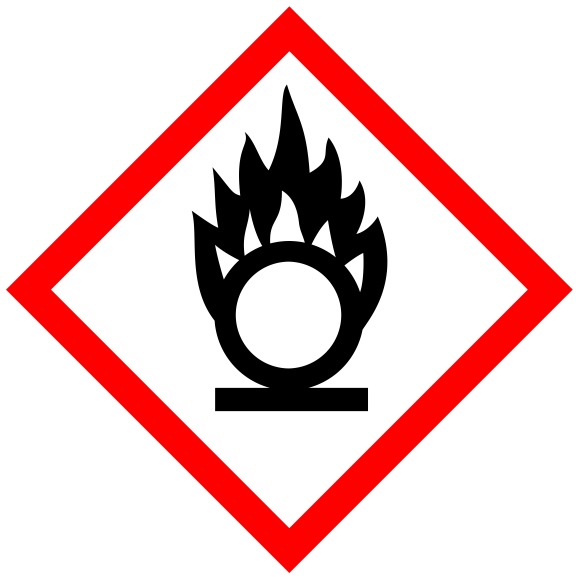 Oxidising
 Corrosive
What to do this week
- Check the label is readable and write down the opened date if it is not already there.
- Check it is stored as acid stock and apart from the items listed under "Do not store with".
- If you no longer need it, add it to your disposal list so it goes on the next collection.
Safe storage in a school or lab
It may intensify fire, so the first rule is to keep it well apart from organic material: paper, cardboard, solvents, wood shelving and spatulas that have touched them. The jar belongs low down on an acid-resistant tray in a ventilated corrosive store, away from alkalis, with oxidisers kept in their own labelled space and nothing combustible beside it. In a histology store it often sits near trichrome staining reagents and their solvents, and that shelf is the typical place for the mistake. Date the jar on arrival and keep the lid firmly seated.
How to tell it has deteriorated
Check the jar and label first. A clean yellow crystalline solid is normal, and the textbook change is a green or blue tint, which appears where the solid has met organic material or been reduced over time, so a tinted jar usually points to contamination. Look also for caking, a perished cap, crust around the neck, a cracked jar and a faded label. Organic dust or paper inside the jar matters more than usual because the solid is an oxidiser. A tinted, contaminated or unlabelled jar should stay closed in its place and be listed for collection.
How it must be disposed of
By specialist collection only. It never goes down the drain or into general waste. It is normally packed in a corrosive acid laboratory pack with compatible chemicals.
It must never be poured or tipped into a sink or drain, and it must not go in a bin or skip. It must not be diluted or neutralised first. Because it may intensify fire, tell the booking team that it is an oxidiser, so the collector does not pack it with organic liquids. A discarded inorganic chemical outside a lab pack takes the code 16 05 07*, and a healthcare setting uses 18 01 06*. Record the colour of the solid, the amount left and the state of the lid. The specialist collector assesses compatibility before packing this corrosive oxidiser, keeping it segregated from combustible and otherwise incompatible materials, including incompatible acids.
| EWC code, laboratory chemicals | 16 05 06* |
|---|---|
| Discarded inorganic chemical, not a laboratory pack | 16 05 07* |
| Human healthcare setting | 18 01 06* |
| Hazardous waste | Yes |
The code depends on where the waste came from and what it is mixed with. Use the waste code finder to see why.
Do not store with
- FlammableOxidising acids can ignite flammable materials, and acid fumes attack containers and seals.
- AlkaliAcids and alkalis react with strong heat and spattering if they meet.
- OxidiserMany oxidisers release toxic gas or become unstable in contact with acid.
- ToxicToxic stock is stored apart from acids. Several toxic salts release toxic gas in contact with acid.
Named chemicals to keep apart
- AcetoneOxidising acids can ignite flammable materials, and acid fumes attack containers and seals.
- Ammonia solutionAcids and alkalis react with strong heat and spattering if they meet.
- Calcium hypochloriteMany oxidisers release toxic gas or become unstable in contact with acid.
- EthanolOxidising acids can ignite flammable materials, and acid fumes attack containers and seals.
- FormalinToxic stock is stored apart from acids. Several toxic salts release toxic gas in contact with acid.
- HexaneOxidising acids can ignite flammable materials, and acid fumes attack containers and seals.
- Hydrogen peroxideMany oxidisers release toxic gas or become unstable in contact with acid.
- Mercury(II) chlorideToxic stock is stored apart from acids. Several toxic salts release toxic gas in contact with acid.
Show 7 more
- MethanolOxidising acids can ignite flammable materials, and acid fumes attack containers and seals.
- Potassium hydroxideAcids and alkalis react with strong heat and spattering if they meet.
- Potassium nitrateMany oxidisers release toxic gas or become unstable in contact with acid.
- Potassium permanganateMany oxidisers release toxic gas or become unstable in contact with acid.
- Sodium cyanideToxic stock is stored apart from acids. Several toxic salts release toxic gas in contact with acid.
- Sodium hydroxideAcids and alkalis react with strong heat and spattering if they meet.
- TolueneOxidising acids can ignite flammable materials, and acid fumes attack containers and seals.
Common quantities we collect
Usually held as: hydrate.
Part-used bottles and full containers are both fine. Tell us the size and how many, and an estimate is enough for a first price.
Where it is commonly held
Hazard statements
- H272 May intensify fire; oxidiser.
- H314 Causes severe skin burns and eye damage.
Precautionary statements
- P210 Keep away from heat, hot surfaces, sparks, open flames and other ignition sources. No smoking.
- P220 Keep away from clothing and other combustible materials.
- P260 Do not breathe dust, fume, gas, mist, vapours or spray.
- P264 Wash hands and exposed skin thoroughly after handling.
- P264+P265 Wash hands and exposed skin thoroughly after handling. Do not touch eyes.
- P280 Wear protective gloves, protective clothing, eye protection and face protection.
- P301+P330+P331 IF SWALLOWED: Rinse mouth. Do NOT induce vomiting.
- P302+P361+P354 IF ON SKIN: Take off immediately all contaminated clothing. Immediately rinse with water for several minutes.
- P304+P340 IF INHALED: Remove person to fresh air and keep comfortable for breathing.
- P305+P354+P338 IF IN EYES: Immediately rinse with water for several minutes. Remove contact lenses, if present and easy to do. Continue rinsing.
- P316 Get emergency medical help immediately.
- P317 Get medical help.
- P321 Specific treatment (see supplemental first aid instruction on this label).
- P363 Wash contaminated clothing before reuse.
- P370+P378 In case of fire: Use suitable extinguishing media to extinguish.
- P405 Store locked up.
- P501 Dispose of contents and container in accordance with local, regional, national and international regulations.
Substance as classified, dilutions may differ.
Questions
Why has our phosphomolybdic acid turned green?
A green or blue tint usually means the solid has met organic material or been reduced over time. It remains a corrosive oxidiser. Keep the lid on, keep it away from paper and solvents, and list it for collection.
Can it be stored with the trichrome staining reagents?
Not beside solvents or organic stains. It may intensify fire, so it needs a place apart from organic material, low down in the corrosive store, with a clear label and a firm lid.
Does it count as an acid or an oxidiser for storage?
Both. It causes severe burns, so it sits in a corrosive store, and it may intensify fire, so it is kept away from organic material, solvents and paper. A labelled place on a resistant tray covers both.