Salicylic acid (CAS 69-72-7): storage and disposal
Salicylic acid is held as a white solid in school and college prep rooms, where it is used for aspirin work, and in university labs and pharmacies. It is harmful if swallowed or in contact with skin, causes serious eye damage and is suspected of damaging the unborn child. That last hazard decides who should handle old stock, and it is worth stating when a collection is booked.
- CAS number
- 69-72-7
- Form
- Solid
- Storage class
- Acid
- Signal word
- Danger
- Usual EWC code
- 16 05 06*
 Corrosive
 Harmful or irritant
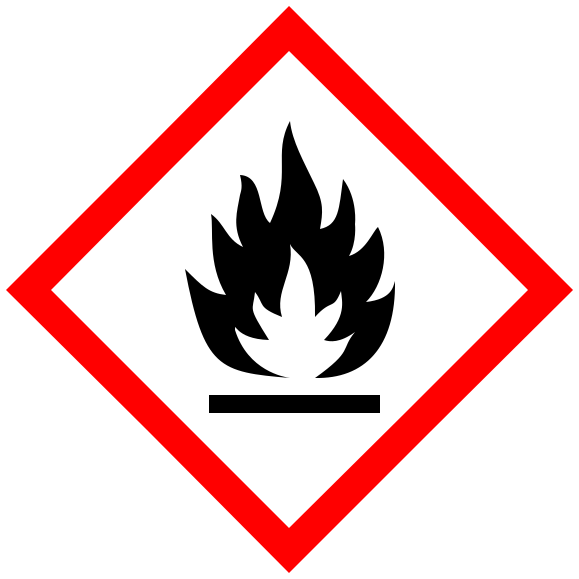
 Serious health hazard
What to do this week
- Check the label is readable and write down the opened date if it is not already there.
- Check it is stored as acid stock and apart from the items listed under "Do not store with".
- If you no longer need it, add it to your disposal list so it goes on the next collection.
Safe storage in a school or lab
Look at the lid and the label before anything else. A school store that has run aspirin practicals usually has a part-used jar at the back of the acid shelf, and part-used jars are the ones with loose lids and powder on the outside. Because it is suspected of damaging the unborn child, staff who are or may be pregnant should be told what the jar is. Keep it low down on an acid-resistant tray in a ventilated corrosive store, away from alkalis, oxidisers and toxic stock. In a pharmacy, hold it apart from other ingredients in a labelled container.
How to tell it has deteriorated
Few visible signs of age show up here, so the container is the evidence. White powder on the outside of a jar or on the tray under it means the lid has not been sealing. Look for a cracked jar, a perished or brittle cap, a label that has faded or been stained, clumping from damp and any change in colour. A part-used jar that has been refilled from another container, or one with no date of receipt, should be recorded. Anything with a damaged lid should stay closed and upright, and be listed for collection.
How it must be disposed of
By specialist collection only. It never goes down the drain or into general waste. It is normally packed in a corrosive acid laboratory pack with compatible chemicals.
It leaves the site only through a registered waste carrier on a specialist collection. Mention the suspected harm to the unborn child when booking, so the people packing it are aware. Salicylic acid is organic, so a jar outside a lab pack takes 16 05 08*, and a pharmacy in a healthcare setting uses 18 01 06*. It must never be tipped into a sink or drain or put in a bin or skip, and it must not be dissolved, diluted or neutralised first. Record the amount left, whether it is a part-used jar and whether powder has escaped. The collector groups it with other organic acids and apart from oxidisers.
| EWC code, laboratory chemicals | 16 05 06* |
|---|---|
| Discarded organic chemical, not a laboratory pack | 16 05 08* |
| Human healthcare setting | 18 01 06* |
| Hazardous waste | Yes |
The code depends on where the waste came from and what it is mixed with. Use the waste code finder to see why.
Do not store with
- FlammableOxidising acids can ignite flammable materials, and acid fumes attack containers and seals.
- AlkaliAcids and alkalis react with strong heat and spattering if they meet.
- OxidiserMany oxidisers release toxic gas or become unstable in contact with acid.
- ToxicToxic stock is stored apart from acids. Several toxic salts release toxic gas in contact with acid.
Named chemicals to keep apart
- AcetoneOxidising acids can ignite flammable materials, and acid fumes attack containers and seals.
- Ammonia solutionAcids and alkalis react with strong heat and spattering if they meet.
- Calcium hypochloriteMany oxidisers release toxic gas or become unstable in contact with acid.
- EthanolOxidising acids can ignite flammable materials, and acid fumes attack containers and seals.
- FormalinToxic stock is stored apart from acids. Several toxic salts release toxic gas in contact with acid.
- HexaneOxidising acids can ignite flammable materials, and acid fumes attack containers and seals.
- Hydrogen peroxideMany oxidisers release toxic gas or become unstable in contact with acid.
- Mercury(II) chlorideToxic stock is stored apart from acids. Several toxic salts release toxic gas in contact with acid.
Show 7 more
- MethanolOxidising acids can ignite flammable materials, and acid fumes attack containers and seals.
- Potassium hydroxideAcids and alkalis react with strong heat and spattering if they meet.
- Potassium nitrateMany oxidisers release toxic gas or become unstable in contact with acid.
- Potassium permanganateMany oxidisers release toxic gas or become unstable in contact with acid.
- Sodium cyanideToxic stock is stored apart from acids. Several toxic salts release toxic gas in contact with acid.
- Sodium hydroxideAcids and alkalis react with strong heat and spattering if they meet.
- TolueneOxidising acids can ignite flammable materials, and acid fumes attack containers and seals.
Common quantities we collect
Usually held as: solid.
Part-used bottles and full containers are both fine. Tell us the size and how many, and an estimate is enough for a first price.
Where it is commonly held
Hazard statements
- H302 Harmful if swallowed.
- H312 Harmful in contact with skin.
- H318 Causes serious eye damage.
- H361d Suspected of damaging the unborn child.
Precautionary statements
- P203 Obtain, read and follow all safety instructions before use.
- P264 Wash hands and exposed skin thoroughly after handling.
- P264+P265 Wash hands and exposed skin thoroughly after handling. Do not touch eyes.
- P270 Do not eat, drink or smoke when using this product.
- P280 Wear protective gloves, protective clothing, eye protection and face protection.
- P301+P317 IF SWALLOWED: Get medical help.
- P305+P354+P338 IF IN EYES: Immediately rinse with water for several minutes. Remove contact lenses, if present and easy to do. Continue rinsing.
- P317 Get medical help.
- P318 If exposed or concerned, get medical advice.
- P330 Rinse mouth.
- P405 Store locked up.
- P501 Dispose of contents and container in accordance with local, regional, national and international regulations.
- P302+P352 IF ON SKIN: Wash with plenty of water.
- P305+P351+P338 IF IN EYES: Rinse cautiously with water for several minutes. Remove contact lenses, if present and easy to do. Continue rinsing.
- P321 Specific treatment (see supplemental first aid instruction on this label).
- P337+P317 If eye irritation persists: Get medical help.
- P362+P364 Take off contaminated clothing. And wash it before reuse.
Substance as classified, dilutions may differ.
Questions
Why does the suspected damage to the unborn child matter in a school store?
It means staff who are or may be pregnant should know what the jar contains and should not handle old or dusty stock. A clear label, a closed lid and a limited list of who accesses the store are the practical steps.
What should we do with a part-used jar left over from an aspirin practical?
Make sure the lid is on, keep it upright on its tray and put it on the collection list with the amount left. Part-used jars are the most likely to have loose lids and powder on the outside.
Is a pharmacy bottle treated differently from a school jar?
The route is the same: specialist collection. The waste code differs, because a healthcare setting uses 18 01 06* rather than the laboratory code. Tell the booking team which setting the stock came from.