
Butane (CAS 106-97-8): storage and disposal
Butane turns up in schools, colleges and university labs as camping gas and burner cartridges, often in a box with portable burners used where no mains gas is available. It is classified as extremely flammable, and the cartridge is a small pressure container even when part used. Size is what misleads people: a cartridge may look like a household item, but an unwanted one needs a manual enquiry.
- CAS number
- 106-97-8
- Form
- Gas
- Storage class
- Flammable
- Signal word
- Danger
- Usual EWC code
- 16 05 04*
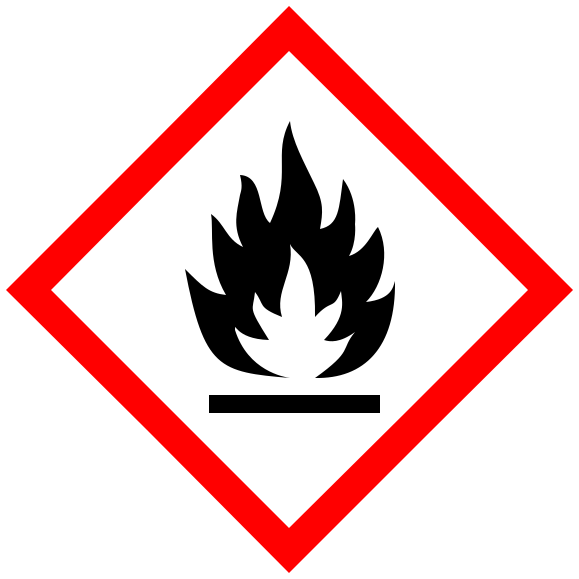 Flammable
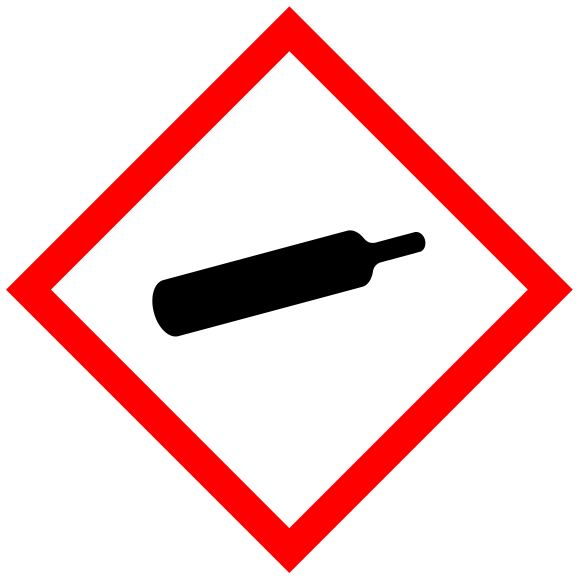 Gas under pressure
This chemical is a manual enquiry
This is held as a compressed gas. Cylinders are usually returned to the supplier or handled separately, and they do not go into a laboratory pack.
Held as a compressed or liquefied gas in a pressure container.
It cannot be priced through a form. Please do not open or move it. Call us or send an enquiry and we will talk through the safe next step, which is often a store assessment.
What to do this week
- Leave it where it is. If it looks old, crystalline or damaged, do not open or move it and keep people away from the shelf.
- Write down the label wording, the rough age and where it is stored, from a safe distance.
- Send us those details, and a photo if you can take one without touching it.
Safe storage in a school or lab
Oxidisers are the first thing to keep away from a box of butane cartridges, because they can ignite flammable materials or make a fire far more intense. Acids and corrosive stock come next, since their fumes attack thin metal and seals. That can rule out the chemical cupboard where spare cartridges tend to end up. Choose a ventilated fire-resistant cabinet, clear of ignition sources, radiators and sunny window ledges, as pressure climbs with warmth. The gas is heavier than air, so a leak settles at the bottom of a cupboard rather than rising away. Keep cartridges upright and in a dry place, because damp rusts the thin casing. Part full cartridges stay extremely flammable and must not be punctured.
How to tell it has deteriorated
A clean metal can with a faint movement of liquid inside when lifted is normal, because butane sits in the cartridge as a liquid under its own pressure. Rust around the rim or base seam is not, and neither are dents, swelling or a crusted or bent valve. Damp prep room cupboards do most of the harm, so check the bottom layer of an old box. A gas smell near the box suggests a leak, as fuel grade butane has a smell added on purpose. The gas itself does not age and gives few visible signs, so faded print says little about what is left inside. A burner still attached to an old cartridge should stay attached, because taking it off may release gas.
How it must be disposed of
This does not go through our standard collection route. It is arranged by manual enquiry, and never goes down the drain or into general waste.
Leaving the site is the awkward part, because butane cartridges cannot go out with the rest of a chemical collection. Pressure containers do not go in a lab pack, and small size makes no difference. Unlike hired cylinders, throwaway cartridges rarely have a supplier to take them back. So send a manual enquiry saying how many there are, whether any are part used and whether burners are still attached. A store assessment is recommended, and this item is not quoted online. Leave them where they are until you hear back. They must not go in a skip or a general waste bin, and nobody should puncture them, vent them or burn them off to get them empty.
| EWC code, laboratory chemicals | 16 05 04* |
|---|---|
| Hazardous waste | Yes |
Gases in pressure containers are assessed by manual enquiry, usually with return to the cylinder owner.
The code depends on where the waste came from and what it is mixed with. Use the waste code finder to see why.
Do not store with
- OxidiserOxidisers can ignite flammable materials or make a fire far more intense.
- AcidOxidising acids can ignite flammable materials, and acid fumes attack containers and seals.
- CorrosiveA leak of corrosive stock can break down flammable containers and feed a fire.
Named chemicals to keep apart
- Acetic acidOxidising acids can ignite flammable materials, and acid fumes attack containers and seals.
- Calcium hypochloriteOxidisers can ignite flammable materials or make a fire far more intense.
- Hydrochloric acidOxidising acids can ignite flammable materials, and acid fumes attack containers and seals.
- Hydrogen peroxideOxidisers can ignite flammable materials or make a fire far more intense.
- Nitric acidOxidising acids can ignite flammable materials, and acid fumes attack containers and seals.
- Potassium nitrateOxidisers can ignite flammable materials or make a fire far more intense.
- Potassium permanganateOxidisers can ignite flammable materials or make a fire far more intense.
- Sulfuric acidOxidising acids can ignite flammable materials, and acid fumes attack containers and seals.
Show 2 more
- Thionyl chlorideA leak of corrosive stock can break down flammable containers and feed a fire.
- Zinc chlorideA leak of corrosive stock can break down flammable containers and feed a fire.
Common quantities we collect
Usually held as: camping gas cartridge, burner cartridge.
Part-used bottles and full containers are both fine. Tell us the size and how many, and an estimate is enough for a first price.
Where it is commonly held
Hazard statements
- H220 Extremely flammable gas.
- H280 Contains gas under pressure; may explode if heated.
Precautionary statements
- P203 Obtain, read and follow all safety instructions before use.
- P210 Keep away from heat, hot surfaces, sparks, open flames and other ignition sources. No smoking.
- P222 Do not allow contact with air.
- P280 Wear protective gloves, protective clothing, eye protection and face protection.
- P377 Leaking gas fire: Do not extinguish, unless leak can be stopped safely.
- P381 In case of leakage, eliminate all ignition sources.
- P403 Store in a well-ventilated place.
- P410+P403 Protect from sunlight. Store in a well-ventilated place.
Substance as classified, dilutions may differ.
Questions
The burner will not light. Does that mean the cartridge is empty?
Not necessarily. Butane is slow to turn to gas in a cold room, so a cartridge from an unheated store can stop feeding a burner while it still holds liquid. Count every used cartridge as part full and extremely flammable, and do not puncture one to find out.
Can used cartridges go in the metal recycling at school?
No. A cartridge that seems finished may still hold gas, and part full ones remain extremely flammable. Keep them out of metal recycling, general waste and any skip, and never puncture them to make them acceptable. Send a manual enquiry with the count and whether burners are still attached.
A box of cartridges has rusted in a damp cupboard. Can we still use them?
Do not use them, and do not clip them on to a burner. The casing is thin, and rust on it may mean it no longer holds pressure as it should. Leave the box in place, away from heat, and ask for advice through a manual enquiry.
Is a warm store or a car boot a problem for butane cartridges?
Yes. Pressure inside a sealed cartridge rises as it warms, and it may explode if heated. A sunny window ledge, a shelf above a radiator or a car boot on a field trip are the places to avoid. Bring only what the day needs and return spares to the store.
Related chemicals
Search the chemical database- 1,2-DichloroethaneCAS 107-06-2Flammable


- 1,2-DimethoxyethaneCAS 110-71-4Flammable
- 1,4-DioxaneCAS 123-91-1Flammable
- 2,4-DinitrophenylhydrazineCAS 119-26-6Flammable
- 2-Bromo-2-methylpropaneCAS 507-19-7Flammable
- 2-Chloro-2-methylpropaneCAS 507-20-0Flammable