
Ethyl chloride (CAS 75-00-3): storage and disposal
Ethyl chloride, also called chloroethane, is an extremely flammable gas held under pressure as a liquid, most often in the small cold spray cans found in clinics, pharmacies and veterinary practices. It may explode if heated and is suspected of causing cancer. What decides handling is the can itself: a pressure container cannot go in a lab pack, so this item is dealt with by manual enquiry rather than a standard collection.
- CAS number
- 75-00-3
- Form
- Gas
- Storage class
- Flammable
- Signal word
- Danger
- Usual EWC code
- 16 05 04*
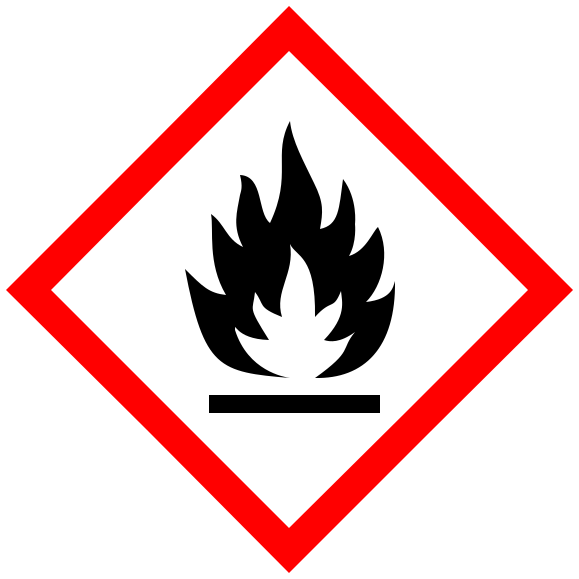 Flammable
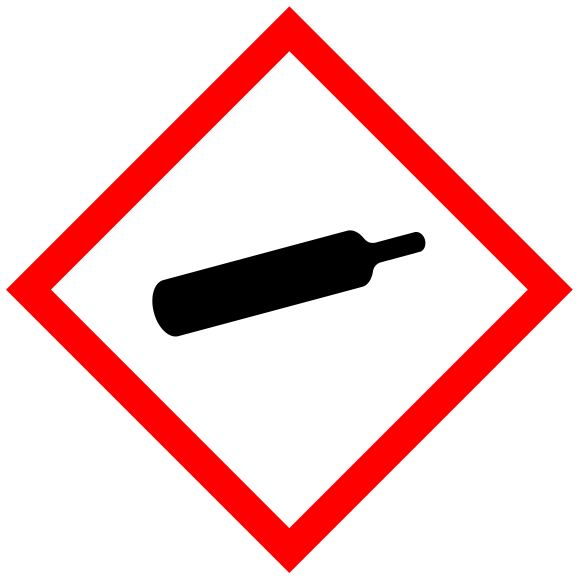 Gas under pressure
 Serious health hazard
This chemical is a manual enquiry
This is held as a compressed gas. Cylinders are usually returned to the supplier or handled separately, and they do not go into a laboratory pack.
Held as a compressed or liquefied gas in a pressure container.
It cannot be priced through a form. Please do not open or move it. Call us or send an enquiry and we will talk through the safe next step, which is often a store assessment.
What to do this week
- Leave it where it is. If it looks old, crystalline or damaged, do not open or move it and keep people away from the shelf.
- Write down the label wording, the rough age and where it is stored, from a safe distance.
- Send us those details, and a photo if you can take one without touching it.
Safe storage in a school or lab
Extreme flammability and pressure together decide where a can goes: upright, secured, away from heat and well clear of ignition sources. In a clinic that rules out the sunny windowsill, the shelf above a radiator and the treatment room drawer next to a steriliser, all places these sprays tend to end up. Keep them away from oxidisers, oxidising acids and corrosive stock as well, because a leak from those can break down a thin can. Spare cans should be kept to a small number and logged, as stock tends to outlast the person who ordered it. A used can still holds gas under pressure, so it should stay in the same place as a full one, and it must never be punctured or vented.
How to tell it has deteriorated
Rust on the seam or base of the can is what you would see first, and it matters more than the contents, which cannot be seen at all. A dented body, a sticking or broken nozzle, a faded label and a passed expiry date are the other things to record. Ethyl chloride itself gives few visual signs as it ages, and the risk comes from the container failing. An old can that feels light may seem finished, but it can still contain pressurised gas. A hiss or a cold spot on the can suggests a leak. If you see one, leave it, ventilate by opening a door or window if that is safe, keep ignition sources away, and get specialist advice.
How it must be disposed of
This does not go through our standard collection route. It is arranged by manual enquiry, and never goes down the drain or into general waste.
Grouping does not apply as it would to bottled reagents, because pressure containers do not go in a lab pack. This item is not quoted online and is not accepted through the online quote path, so send a manual enquiry with the can count, sizes, condition and where they are kept. A store assessment is recommended, particularly for a practice holding many old cans. Most gas cylinders return to their supplier, so ask the original supplier whether they take back these cans too. The waste code for gases in pressure containers is 16 05 04*. Empty and part-used cans alike must not be punctured, vented or discharged to finish them off, and none should go into a general waste bin or a skip.
| EWC code, laboratory chemicals | 16 05 04* |
|---|---|
| Hazardous waste | Yes |
Gases in pressure containers are assessed by manual enquiry, usually with return to the cylinder owner.
The code depends on where the waste came from and what it is mixed with. Use the waste code finder to see why.
Do not store with
- OxidiserOxidisers can ignite flammable materials or make a fire far more intense.
- AcidOxidising acids can ignite flammable materials, and acid fumes attack containers and seals.
- CorrosiveA leak of corrosive stock can break down flammable containers and feed a fire.
Named chemicals to keep apart
- Acetic acidOxidising acids can ignite flammable materials, and acid fumes attack containers and seals.
- Calcium hypochloriteOxidisers can ignite flammable materials or make a fire far more intense.
- Hydrochloric acidOxidising acids can ignite flammable materials, and acid fumes attack containers and seals.
- Hydrogen peroxideOxidisers can ignite flammable materials or make a fire far more intense.
- Nitric acidOxidising acids can ignite flammable materials, and acid fumes attack containers and seals.
- Potassium nitrateOxidisers can ignite flammable materials or make a fire far more intense.
- Potassium permanganateOxidisers can ignite flammable materials or make a fire far more intense.
- Sulfuric acidOxidising acids can ignite flammable materials, and acid fumes attack containers and seals.
Show 2 more
- Thionyl chlorideA leak of corrosive stock can break down flammable containers and feed a fire.
- Zinc chlorideA leak of corrosive stock can break down flammable containers and feed a fire.
Common quantities we collect
Usually held as: pressurised cold spray.
Part-used bottles and full containers are both fine. Tell us the size and how many, and an estimate is enough for a first price.
Where it is commonly held
Hazard statements
- H220 Extremely flammable gas.
- H280 Contains gas under pressure; may explode if heated.
- H351 Suspected of causing cancer.
- H412 Harmful to aquatic life with long lasting effects.
Precautionary statements
- P203 Obtain, read and follow all safety instructions before use.
- P210 Keep away from heat, hot surfaces, sparks, open flames and other ignition sources. No smoking.
- P222 Do not allow contact with air.
- P273 Avoid release to the environment.
- P280 Wear protective gloves, protective clothing, eye protection and face protection.
- P318 If exposed or concerned, get medical advice.
- P377 Leaking gas fire: Do not extinguish, unless leak can be stopped safely.
- P381 In case of leakage, eliminate all ignition sources.
- P403 Store in a well-ventilated place.
- P405 Store locked up.
- P501 Dispose of contents and container in accordance with local, regional, national and international regulations.
- P220 Keep away from clothing and other combustible materials.
- P244 Keep valves and fittings free from oil and grease.
- P260 Do not breathe dust, fume, gas, mist, vapours or spray.
- P264 Wash hands and exposed skin thoroughly after handling.
- P301+P330+P331 IF SWALLOWED: Rinse mouth. Do NOT induce vomiting.
- P302+P361+P354 IF ON SKIN: Take off immediately all contaminated clothing. Immediately rinse with water for several minutes.
- P304+P340 IF INHALED: Remove person to fresh air and keep comfortable for breathing.
- P305+P354+P338 IF IN EYES: Immediately rinse with water for several minutes. Remove contact lenses, if present and easy to do. Continue rinsing.
- P316 Get emergency medical help immediately.
- P321 Specific treatment (see supplemental first aid instruction on this label).
- P363 Wash contaminated clothing before reuse.
- P370+P376 In case of fire: Stop leak if safe to do so.
- P410+P403 Protect from sunlight. Store in a well-ventilated place.
Substance as classified, dilutions may differ.
Questions
Can we spray out old ethyl chloride cans until empty and then bin them?
No. Do not discharge a can to empty it, as the gas is extremely flammable, and do not puncture it. Part-used and apparently empty cans both stay as pressure containers. Keep them upright and secure, away from heat, and send a manual enquiry listing how many you hold.
Can we add our cold spray cans to our next chemical lab pack?
No, a pressure container cannot go in a lab pack, even a small spray can. Tell us about them through a manual enquiry instead, including size, number and condition, so that a suitable arrangement can be discussed before anything is moved.
Where should a veterinary practice keep ethyl chloride spray between uses?
Upright and secured, away from heat and ignition sources. That means away from autoclaves, heat lamps and sunny windows, all common in a consulting room. A dedicated marked spot with a small stock count helps, as pressure cans tend to gather in drawers and be forgotten.
Related chemicals
Search the chemical database- 1,2-DichloroethaneCAS 107-06-2Flammable

- 1,2-DimethoxyethaneCAS 110-71-4Flammable
- 1,4-DioxaneCAS 123-91-1Flammable
- 2,4-DinitrophenylhydrazineCAS 119-26-6Flammable
- 2-Bromo-2-methylpropaneCAS 507-19-7Flammable
- 2-Chloro-2-methylpropaneCAS 507-20-0Flammable