
Oxygen (CAS 7782-44-7): storage and disposal
Held as medical or laboratory cylinders, oxygen turns up in clinics, dental surgeries, veterinary practices, pathology departments, schools and universities. It is a strong oxidiser that makes fire far more intense, and it is a gas under pressure that may explode if heated. Most cylinders belong to a supplier and return to them, so who owns the cylinder and the state of its valve decide what happens to it.
- CAS number
- 7782-44-7
- Form
- Gas
- Storage class
- Oxidiser
- Signal word
- Danger
- Usual EWC code
- 16 05 04*
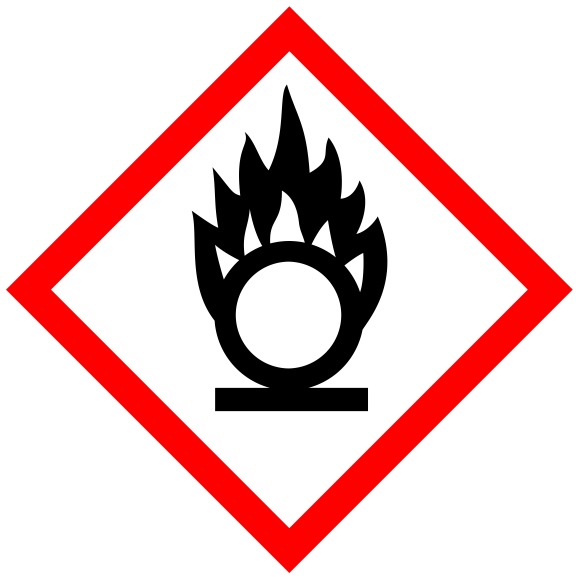 Oxidising
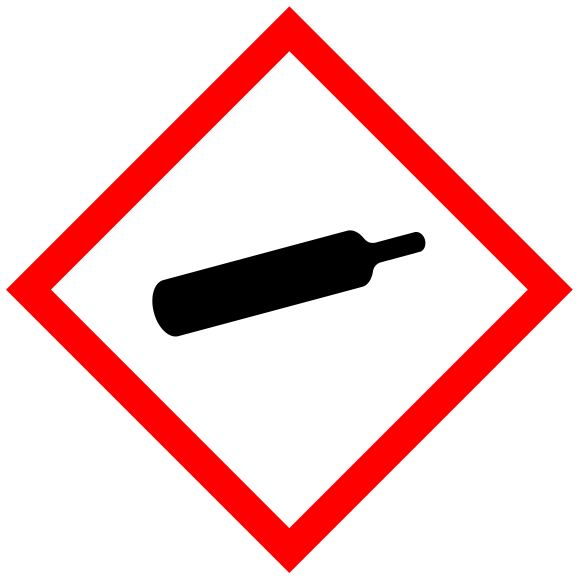 Gas under pressure
This chemical is a manual enquiry
This is held as a compressed gas. Cylinders are usually returned to the supplier or handled separately, and they do not go into a laboratory pack.
Held as a compressed or liquefied gas in a pressure container.
It cannot be priced through a form. Please do not open or move it. Call us or send an enquiry and we will talk through the safe next step, which is often a store assessment.
What to do this week
- Leave it where it is. If it looks old, crystalline or damaged, do not open or move it and keep people away from the shelf.
- Write down the label wording, the rough age and where it is stored, from a safe distance.
- Send us those details, and a photo if you can take one without touching it.
Safe storage in a school or lab
Medical and laboratory cylinders are the usual form, and each one must stand upright and secured, whether chained to a wall or in a proper stand, so that a knock cannot topple it. Location comes next: away from heat and from anything that burns, with a clear gap from solvents, grease and oily rags. Oil and grease near an oxygen valve can ignite, so nobody should lubricate a fitting or handle one with greasy hands. A dental surgery or clinic may keep a small emergency cylinder in a cupboard with cleaning products and paper, which is not a good place for it. Keep it clearly signed. Do not puncture or vent a cylinder for any reason, including a part used one you no longer need.
How to tell it has deteriorated
Check the cylinder body and label first, since oxygen itself does not deteriorate or give visible signs of age. A worn supplier label, a missing ownership tag or an unreadable contents panel are the commonest faults, and they can make returning it harder. Rust, dents, a damaged valve guard or a bent regulator all count as physical damage. Grease or oil on the valve is a warning in its own right. A faint hiss suggests a leaking valve, and in that case the area should be cleared of ignition sources from a distance and specialist or supplier advice sought. The pressure gauge tells you whether gas remains, but an apparently empty cylinder still has to be treated as a pressure container.
How it must be disposed of
This does not go through our standard collection route. It is arranged by manual enquiry, and never goes down the drain or into general waste.
A cylinder normally leaves on the supplier's own vehicle, since most belong to them and return to them. This site does not quote for oxygen online, and it is outside the online path altogether because pressure containers do not go in a lab pack. Start by reading the label for the owner, then contact that supplier. If there is no owner to be found, send a manual enquiry with a photograph, the cylinder size, the wording on the label and where it stands, and a store assessment is recommended. Keep it upright and secured until you have had advice. Do not vent it, puncture it or try to empty it first. It must not go in a general waste bin or skip, or to a scrap dealer.
| EWC code, laboratory chemicals | 16 05 04* |
|---|---|
| Hazardous waste | Yes |
Gases in pressure containers are assessed by manual enquiry, usually with return to the cylinder owner.
The code depends on where the waste came from and what it is mixed with. Use the waste code finder to see why.
Do not store with
- FlammableOxidisers can ignite flammable materials or make a fire far more intense.
- AcidMany oxidisers release toxic gas or become unstable in contact with acid.
- AlkaliSome oxidisers react strongly with alkalis, and ammonia based stock is especially at risk.
- ToxicToxic and oxidising stock are stored apart. A reaction could release toxic vapours.
- CorrosiveCorrosive stock can react with oxidisers, releasing heat or fumes.
Named chemicals to keep apart
- Acetic acidMany oxidisers release toxic gas or become unstable in contact with acid.
- AcetoneOxidisers can ignite flammable materials or make a fire far more intense.
- Ammonia solutionSome oxidisers react strongly with alkalis, and ammonia based stock is especially at risk.
- EthanolOxidisers can ignite flammable materials or make a fire far more intense.
- FormalinToxic and oxidising stock are stored apart. A reaction could release toxic vapours.
- HexaneOxidisers can ignite flammable materials or make a fire far more intense.
- Hydrochloric acidMany oxidisers release toxic gas or become unstable in contact with acid.
- Mercury(II) chlorideToxic and oxidising stock are stored apart. A reaction could release toxic vapours.
Show 9 more
- MethanolOxidisers can ignite flammable materials or make a fire far more intense.
- Nitric acidMany oxidisers release toxic gas or become unstable in contact with acid.
- Potassium hydroxideSome oxidisers react strongly with alkalis, and ammonia based stock is especially at risk.
- Sodium cyanideToxic and oxidising stock are stored apart. A reaction could release toxic vapours.
- Sodium hydroxideSome oxidisers react strongly with alkalis, and ammonia based stock is especially at risk.
- Sulfuric acidMany oxidisers release toxic gas or become unstable in contact with acid.
- Thionyl chlorideCorrosive stock can react with oxidisers, releasing heat or fumes.
- TolueneOxidisers can ignite flammable materials or make a fire far more intense.
- Zinc chlorideCorrosive stock can react with oxidisers, releasing heat or fumes.
Common quantities we collect
Usually held as: medical cylinder, laboratory cylinder.
Part-used bottles and full containers are both fine. Tell us the size and how many, and an estimate is enough for a first price.
Where it is commonly held
Hazard statements
- H270 May cause or intensify fire; oxidiser.
- H280 Contains gas under pressure; may explode if heated.
Precautionary statements
- P220 Keep away from clothing and other combustible materials.
- P244 Keep valves and fittings free from oil and grease.
- P370+P376 In case of fire: Stop leak if safe to do so.
- P403 Store in a well-ventilated place.
- P282 Wear cold insulating gloves and either face shield or eye protection.
- P336+P317 Thaw frosted parts with lukewarm water. Do not rub affected area. Get medical help.
- P410+P403 Protect from sunlight. Store in a well-ventilated place.
Substance as classified, dilutions may differ.
Questions
We found an old oxygen cylinder with no supplier label. Who takes it?
Check for a stamped name or marking on the shoulder and ask likely suppliers. If no owner comes forward, send a manual enquiry with a photograph and the location. Leave it upright and secured, and do not vent it. A store assessment may be the next step.
Can the emergency oxygen cylinder live in the same cupboard as cleaning products?
It is better not to. Oxygen makes any fire far more intense, and cupboards of that kind tend to hold aerosol sprays, paper and oily cloths. A signed location with a stand or chain, clear of heat and combustible stock, is better and easy to reach.
The gauge shows empty. Is it safe to put out with the scrap metal?
No. An apparently empty cylinder is still a pressure container that may hold gas. Do not cut, puncture or vent it, and do not hand it to a scrap dealer. Return it to the owner, or send a manual enquiry if no owner can be identified.
Related chemicals
Search the chemical database- Ammonium dichromateCAS 7789-09-5Oxidiser




- Ammonium nitrateCAS 6484-52-2Oxidiser

- Ammonium perchlorateCAS 7790-98-9Oxidiser
- Ammonium persulfateCAS 7727-54-0Oxidiser
- Barium nitrateCAS 10022-31-8Oxidiser
- Barium peroxideCAS 1304-29-6Oxidiser